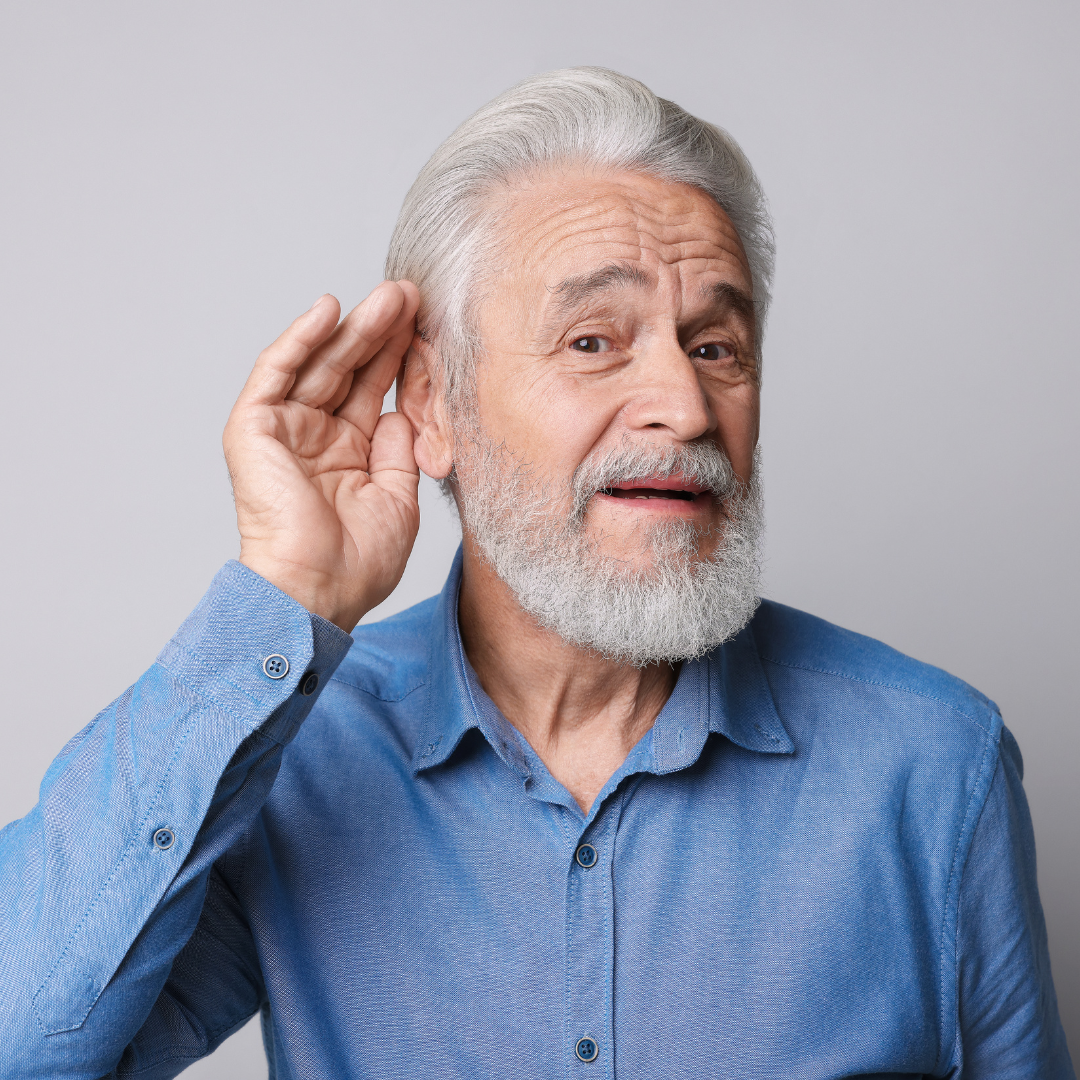
Noticing an immediate hearing loss on one side can be unsettling, leaving affected individuals wondering how to proceed. Our practice can provide urgent hearing testing and help coordinate appropriate medical care when a rapid change occurs. Any sudden hearing loss requires urgent clinical consultation with a hearing healthcare specialist to pursue immediate medical intervention or rehabilitation.
Is Sudden Deafness in One Ear Considered a Medical Emergency?
Indeed it is. Sudden hearing loss in a single ear demands immediate emergency medical care, particularly when symptoms progress within a few hours or days. Often designated as sudden deafness, sudden sensorineural hearing loss reflects damage to the inner ear cochlea or the acoustic nerve. It standardly presents without physical discomfort, often being erroneously dismissed as simple earwax impaction or sinus congestion.
Potential signs of this condition include:
- A sudden degradation of hearing volume or clarity affecting a single ear
- Difficulty processing telephone audio when switching the device to the affected ear
- Sensation of an internal ear pop or mounting aural pressure right before hearing diminishes
- The abrupt emergence of ringing, static buzzing, or roaring tinnitus on the affected side
- The sudden appearance of true vertigo, gait imbalance, or persistent dizziness
Avoid waiting passively to see whether normal hearing thresholds return independently. Call our clinic, an urgent care center, or an ear, nose, and throat doctor right away for same-day clinical guidance.
The Urgency of Immediate Professional Evaluation for Sudden Deafness
Early evaluation matters because treatment for sudden sensorineural hearing loss is generally most useful when it begins promptly. We first differentiate whether the condition represents a conductive loss from cerumen or fluid, or a true sensorineural loss involving the inner ear or vestibulocochlear nerve. While conductive and sensorineural losses can feel virtually identical to the patient, they mandate entirely different clinical therapies.
A thorough physical ear inspection combined with a diagnostic hearing test isolates the exact type, audiometric shape, and severity of the loss.
Pursue immediate hospital emergency assessment if your sudden hearing loss coincides with:
- Acute facial asymmetry, motor weakness, or cranial nerve numbness
- Impaired speech articulation, profound cognitive confusion, or an intense new headache
- Diplopia (double vision), syncope (fainting), or severe gait ataxia
- Sharp chest discomfort or related symptoms of acute cardiovascular distress
These severe symptoms may reflect critical neurological compromise or vascular pathology and must never be managed through a standard appointment.
Understanding the Underlying Causes of Sudden Unilateral Deafness
In most cases of sudden sensorineural hearing loss, no definite cause is found. When a cause can be identified, it may involve inflammation, injury, circulation, the immune system, or another condition affecting the inner ear or auditory nerve.
Common clinical factors include:
- Inner ear viral pathogens or severe bacterial infections
- Severe head trauma or direct exposure to an explosive acoustic blast
- Systemic autoimmune pathologies targeting the auditory labyrinth
- Ingestion of ototoxic pharmaceuticals known to compromise inner ear structures
- Acute circulatory compromise or cochlear microvascular infarction
- Peripheral inner ear pathologies such as classic Ménière’s disease
- Demyelinating central nervous system diseases including multiple sclerosis
- A vestibular schwannoma (acoustic neuroma) developing on the vestibulocochlear nerve
Because the difference cannot be confirmed by symptoms alone, prompt examination and audiologic testing are important.
Clinical Treatment Protocols for Sudden Sensorineural Hearing Loss
Corticosteroids are widely prescribed as the cornerstone medical treatment for idiopathic sudden sensorineural hearing loss. The treatment can be administered systemically via oral tablets or delivered locally through the tympanic membrane to reach inner ear structures directly. Treatment options are made by us and should account for the timing and severity of the loss, medical conditions, current medications, and potential side effects.
Medical evidence supports initiating steroid treatment within the first two weeks, underscoring the necessity of immediate clinical intervention. Serial intratympanic steroid injections can also be utilized as a secondary salvage therapy if initial oral treatment achieves incomplete recovery. In selected cases, a physician may discuss hyperbaric oxygen therapy combined with steroids.
Can Sudden Hearing Loss in One Ear Go Away on Its Own?
It is clinically possible for sudden sensorineural hearing loss to improve without active medical care. Literature indicates that approximately 50 percent of patients recover some or all hearing spontaneously, frequently within the first one to two weeks. Even so, clinicians cannot reliably forecast at the start who will recover, the extent of hearing restoration, or whether recovery will be permanent.
The potential for spontaneous resolution should never serve as a reason to postpone diagnostic evaluation and care. Medical interventions become markedly less effective at reversing permanent deficits when delayed by weeks, closing a critical therapeutic window. Recovery may be complete, partial, or minimal.
What Happens If Sudden Sensorineural Hearing Loss Fails to Improve?
If auditory recovery is incomplete following treatment, clinical planning depends on remaining hearing levels, single-ear speech understanding, and comprehensive diagnostic imaging. Our clinicians frequently recommend diagnostic MRI imaging or specialized auditory brainstem response testing to evaluate the hearing nerve and surrounding anatomy.
Extended rehabilitative solutions may incorporate:
- Custom programming of a traditional hearing aid when the ear maintains usable acoustic thresholds
- A CROS system that sends sound from the poorer ear to the better ear
- A bone-conduction device for appropriate candidates
- A cochlear implant for qualifying cases of single-sided deafness
- Remote microphones and assistive listening tools configured for complex occupational, educational, or personal environments
Audiologic rehabilitation can also address listening fatigue, sound localization, and communication difficulties. Determining the ideal intervention depends upon your diagnostic hearing test metrics, lifestyle demands, medical history, and personal communication goals.
Contact Us for an Urgent Hearing Assessment
If your hearing changed suddenly today or during the past several days, request same-day medical direction rather than waiting for a routine consultation. Our clinic will perform comprehensive diagnostic hearing testing, compare thresholds between ears, document onset chronology, and coordinate urgent care with an ENT physician.
Call or message our practice immediately to secure a prompt hearing appointment.
The content of this blog is the intellectual property of MedPB.com and is reprinted here with permission.
The site information is for educational and informational purposes only and does not constitute medical advice. To receive a personalized free hearing test and hearing loss consultation, call today to set up an appointment.