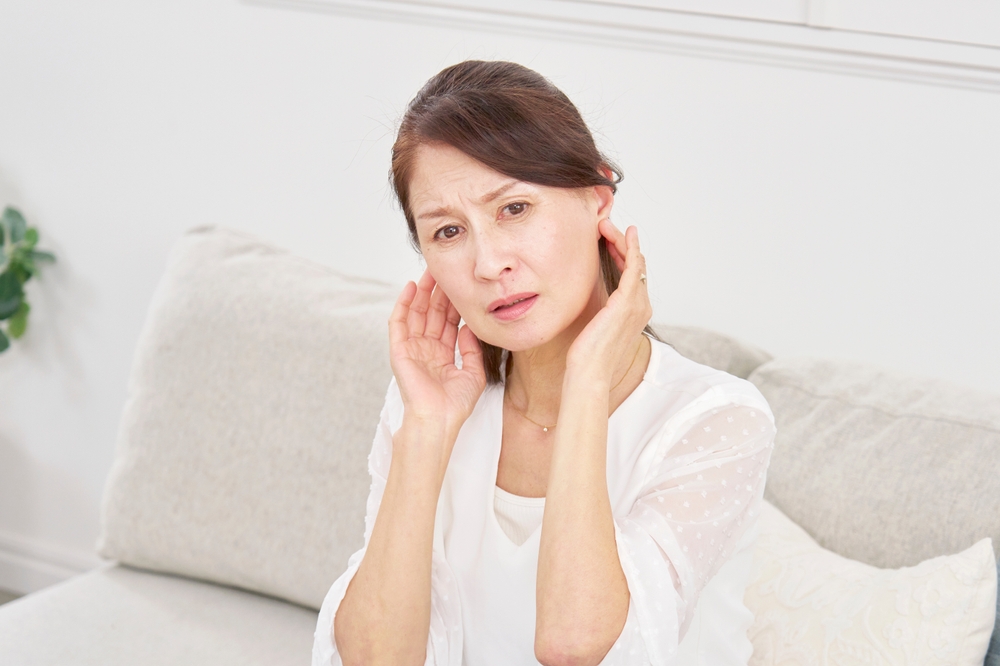
Beginning your morning only to find your hearing has disappeared creates an immediate sense of panic. When hearing fades without a clear cause or warning sign, the ensuing disorientation is profound. Although simple blockages are common, more critical auditory conditions require a rapid medical evaluation.
Grasping the typical reasons behind sudden deafness and knowing when to seek for help is critical for your long-term health. In the following sections, we analyze the nature of sudden hearing loss, its potential origins, and the requirements for professional consultation.
Understanding Rapid Auditory Decline
Sudden hearing loss generally refers to a rapid decline in hearing that occurs within a few hours or up to three days. The issue frequently strikes a single ear, though two-sided loss is possible in less common cases. Presentations include dullness of sound, persistent ringing, a feeling of pressure, or an inability to follow conversation.
Identifying Sudden Sensorineural Hearing Loss
It is imperative to rule out Sudden Sensorineural Hearing Loss during the preliminary evaluation phase.
This auditory issue arises from dysfunction within the inner ear, the auditory nerve, or the brain’s processing centers. While a definitive cause may be hard to pin down, the following factors frequently play a role:
- Decreased blood flow to the inner ear
- Systemic inflammatory triggers or autoimmune reactions
- Viral infections
- Neurological factors
SSHL is considered a medical emergency because prompt care can drastically enhance recovery.
Viral Infections
Certain viral infections can either briefly or lastingly affect hearing by swelling the inner ear or auditory nerve.
Viruses associated with abrupt auditory shifts include:
- Viral cold and sinus infections
- The annual flu virus
- The herpes simplex or zoster strains
- Viral complications observed in some COVID-19 cases
Hearing changes may appear during or shortly after an illness and may be accompanied by dizziness or ear fullness.
Hearing Loss Resulting from Physical Injury
Significant head trauma, sudden pressure fluctuations, or acoustic shocks are proven to damage the fragile components of the hearing system.
Physiological damage from injury often stems from:
- Acute head strikes and concussive events
- Sudden shifts in ear canal pressure
- Contact with extremely loud sounds
- Fluid leaks or shifts within the labyrinth
Auditory symptoms that follow even a slight head or ear injury require a specialist review.
Sudden Loss Due to Ear Canal Obstruction
Though not as critical as inner ear causes, impacted earwax can still cause sudden hearing changes.
Symptoms of impacted cerumen typically:
- Occur almost instantaneously
- Result in a feeling of obstruction or “stuffiness”
- Show a distinct unilateral bias
- Resolve once the blockage is professionally removed
Importantly, you should not assume wax is the cause, as the symptoms of nerve loss often overlap with a simple blockage. Therefore, seeking a professional clinical opinion is the only safe course of action.
Other Possible Causes of Sudden Hearing Loss
Secondary factors to sudden hearing loss may include:
- Secondary reactions to certain medications
- Vascular health issues impacting the ear
- Immune-mediated inner ear disease
- Rare growths affecting the auditory nerve
A detailed assessment by an audiologist provides the clarity needed to rule out these rare conditions.
Why Acting Fast Matters for Sudden Hearing Changes
The most crucial takeaway regarding rapid hearing changes is to avoid a wait and see approach.
A fast response from a specialist can help:
- Uncover treatable factors behind the hearing decline
- Enhance the overall success rate of medical interventions
- Stop additional decline within the delicate inner ear
- Minimize the impact on your long-term ability to communicate
Professional audiological assessments are essential in identifying the specific nature of the loss and directing treatment.
When to Seek Immediate Help for Sudden Hearing Loss
It is vital to get prompt medical or audiology care if you experience:
- An abrupt inability to hear clearly in either ear
- Auditory shifts paired with a distinct sense of instability
- Buzzing or pressure that appears suddenly
- Auditory decline following a viral infection or physical trauma
Though hearing returns partially, evaluation is still important to find out what’s going on.
How Hearing Tests Provide Immediate Solutions
Modern testing quickly identifies the specific category of the loss, such as:
- A conductive issue involving the middle ear or ear canal
- Sensorineural (inner ear or nerve-related)
- Likely to be short-term or a permanent impairment
Initiating diagnostics early facilitates more effective medical choices and improved recovery.
Why Immediate Action Is the Best Response
It is normal to feel alarmed by sudden deafness, but immediate professional help offers the best chance for success.
Upon noticing an unexpected change in your hearing, getting a professional evaluation can protect your hearing health and your peace of mind. If you are facing an auditory crisis, our office is here: Call us right away to schedule the urgent help you deserve.
The content of this blog is the intellectual property of MedPB.com and is reprinted here with permission.
The site information is for educational and informational purposes only and does not constitute medical advice. To receive a personalized free hearing test and hearing loss consultation, call today to set up an appointment.