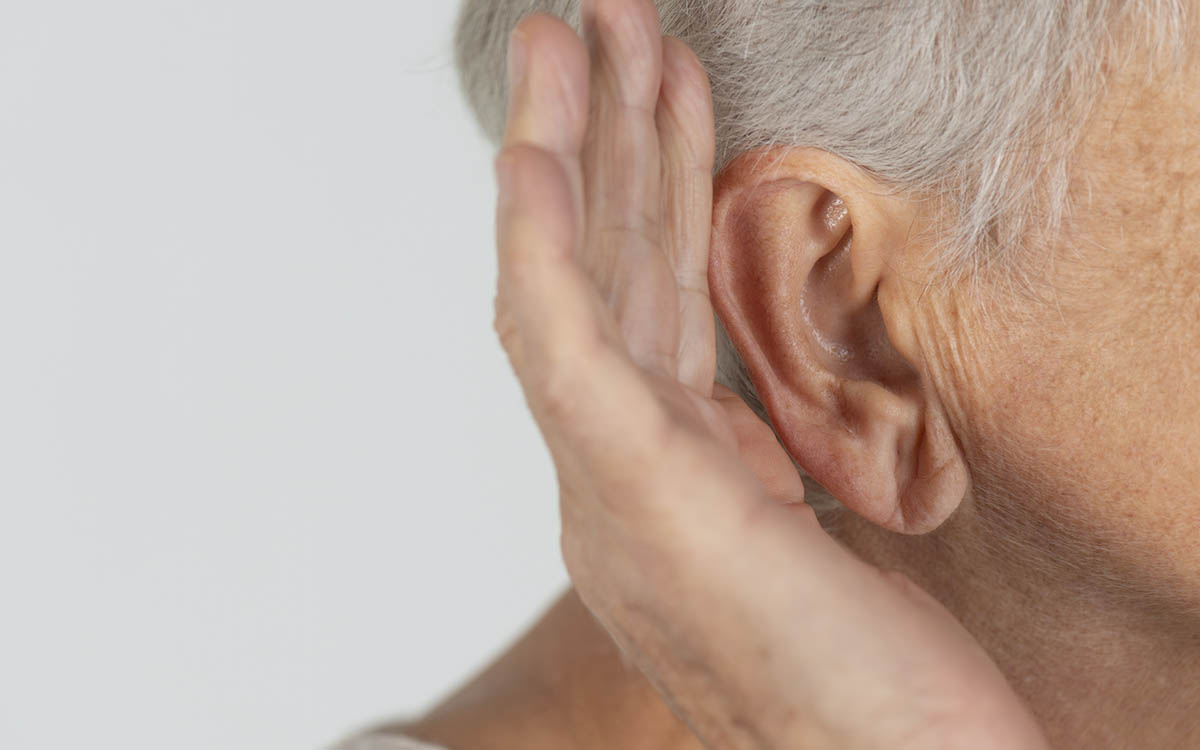
Most people associate hearing loss to senescence, however, for millions in the U.S., physiological damage begins at a younger age. Noise-induced hearing loss represents a common, preventable auditory pathology, escaping notice until it becomes a permanent condition.
Grasping the longitudinal impact of sound exposure on the auditory system can help you protect yourself prior to the onset of clinical hearing loss.
Identifying the Nature of Acoustic Injury
Noise-induced hearing loss occurs when loud sounds damage the delicate structures inside the inner ear. Data from the CDC indicate that, sustained or frequent exposure to sounds exceeding 85 decibels, such as heavy traffic, can initiate auditory damage. Louder sounds, like those from concerts, power tools, or firearms, can cause damage in minutes or even seconds.
The internal auditory system houses delicate sensory units termed hair cells. These cells convert sound vibrations into electrical signals that your brain interprets as sound. Once damaged, hair cells do not regenerate, making this form of hearing loss a lifelong auditory deficit.
Understanding How Auditory Trauma Progresses Incrementally
It is clinically significant that noise-induced hearing loss often manifests through a slow, cumulative process. Initial signs of auditory overexposure may present as:
- Short-term episodes of Tinnitus or buzzing within the ears
- Subjective hearing attenuation or muffling after high-decibel events
- Challenges involving speech comprehension within high-noise settings
The cessation of these early symptoms often leads to the false perception that the auditory system has fully healed. Actually, subsequent noise events continue to degrade internal ear structures, incrementally diminishing auditory acuity and threshold sensitivity.
The hearing loss Association of America estimates that 48 million individuals in the US suffer from hearing loss, often without recognizing the contributing factors.
Recognizing Routine Decibel Levels to Auditory Longevity
In our modern environment, individuals often develop a tolerance or desensitization to high-volume sounds. Due to this, the commonality of injurious sound exposure often goes unrecognized.
Potential sources include:
- Concert settings and loud musical performances
- High-volume output from personal listening equipment
- Motorized landscaping equipment, power machinery, and vehicles
- Occupational noise exposure within the construction or manufacturing sectors
Due to the routine nature of these sounds, auditory injury may accrue in the absence of overt symptoms.
Prioritizing Prevention in Auditory Health
A distinguishing factor of noise-induced hearing loss is the lack of clinical reversal options. Nevertheless, it remains a highly avoidable pathology. Simple protective habits can significantly reduce risk, including:
- The application of earplugs or attenuation earmuffs in loud areas
- Lowering headphone volume and following the “60/60 rule”
- Incorporating auditory rest periods to allow for physiological recovery
- Maintaining regular clinical screenings and Audiology visits
Clinical Indicators for Consulting Audiology Services
Should you experience persistent Tinnitus or a decline in conversational understanding, a professional evaluation is indicated. Early intervention through an Audiologist allows for the monitoring and implementation of essential protective measures.
Protecting your ears today helps ensure clearer hearing tomorrow. Noise may be unavoidable, but hearing loss doesn’t have to be!. We invite you to schedule an appointment with our team to optimize your hearing function.
The content of this blog is the intellectual property of MedPB.com and is reprinted here with permission.
The site information is for educational and informational purposes only and does not constitute medical advice. To receive a personalized free hearing test and hearing loss consultation, call today to set up an appointment.