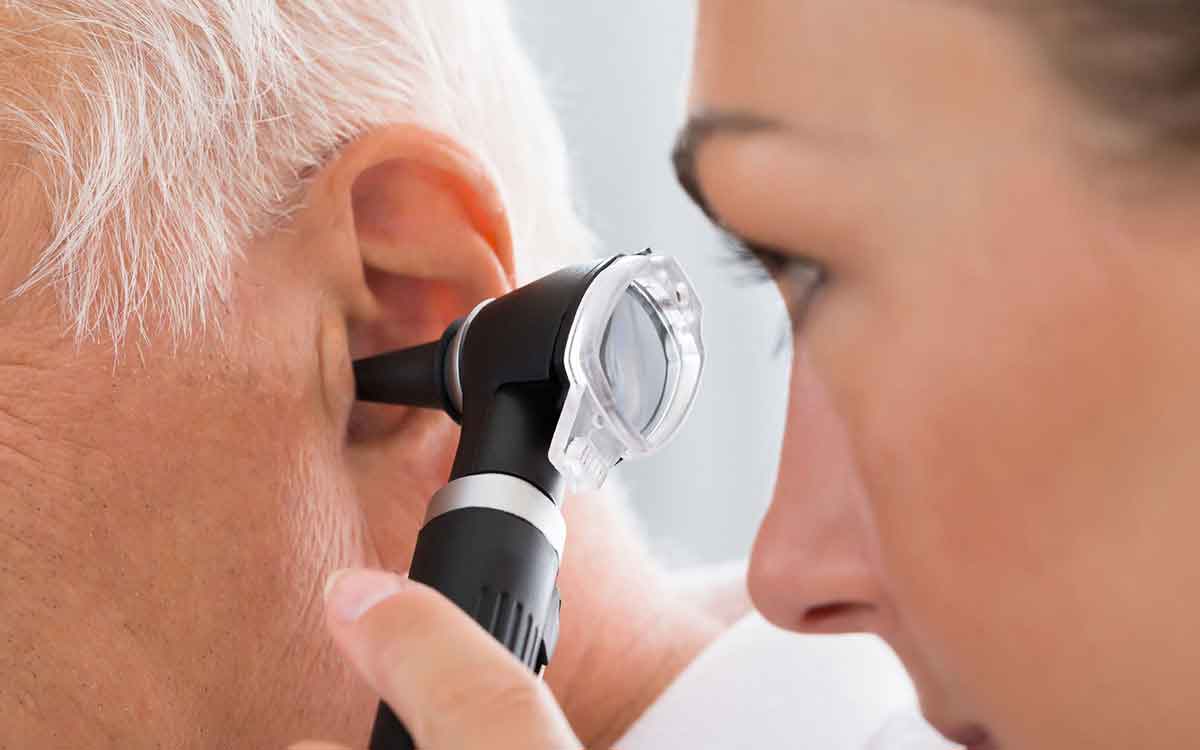
The insidious nature of hearing loss often causes early-stage indicators to be dismissed. Numerous individuals compensate subconsciously by raising the decibels on the television, requesting frequent repetitions, or withdrawing from high-noise settings.
Arranging an early evaluation facilitates efforts to preserve hearing, improve communication, and safeguard overall quality of life.
Recognizing Typical Early-Stage Hearing Loss Symptoms
If you identify any of these indicators, consider scheduling an audiological evaluation to establish a baseline.
- Difficulty understanding conversations, especially in noisy environments with a lot of activity.
- Frequently asking people to clarify their statements.
- Hearing indistinct vocal communication where words appear to merge.
- Requiring increased decibel settings for media than is typical.
- Trouble perceiving high-frequency audio, such as high-frequency vocalizations, birds, or doorbells.
- Ringing, buzzing, or humming in the ears (tinnitus).
- Cerebral exhaustion after social events caused by persistent listening effort.
- Isolating from communal environments as conversational tracking feels taxing.
Initial symptoms of auditory decline may appear in unilateral or bilateral patterns and vary in frequency initially. Due to the brain’s ability to adjust, many individuals remain unaware of their compensatory habits until the impairment advances.
Statistical Overview of Global Auditory Health
Projection by the World Health Organization suggests that a vast population will need clinical hearing support by mid-century. Other relevant statistics involve:
- By 2050, approximately 2.5 billion people are expected to experience some degree of hearing loss.
- More than five percent of the global community (roughly 430 million people) requires clinical support to manage disabling hearing loss.
- More than 1 billion younger individuals are at risk of permanent hearing loss caused by unsafe listening practices.
- Among those aged 60 and older, over 25% have clinically significant hearing loss.
The Value of Early Hearing Loss Detection
Neglecting auditory decline influences systemic well-being and daily wellness.
Data confirms a link between auditory impairment and risks involving dementia and mobility issues.
Early intervention provides superior results and diverse therapeutic options.
A hearing evaluation can determine whether changes are due to age-related hearing loss, acoustic trauma, earwax buildup, infection, or another medical condition.
Occasionally, auditory changes are temporary and resolve with intervention.
In others, timely adoption of hearing aid technology or protective strategies can slow progression.
Indications for a Professional Hearing Evaluation
It is recommended to get a consultation from an audiologist if:
- Clinical indicators remain present for a duration exceeding a few weeks.
- Hearing difficulties impact occupational performance and social life.
- Experiences with acute hearing loss, vertigo, or persistent ringing require urgent evaluation.
Tests for hearing are noninvasive and supply essential data regarding your ear health.
We invite you to contact our facility if you believe a hearing screening would be advantageous.
Auditory Health FAQ: Initial Symptoms
Q: Are all auditory changes linked to getting older?
Answer: Not necessarily. Although presbycusis is prevalent, auditory shifts can stem from noise trauma, ototoxic drugs, or genetic factors.
Question: Are there cases where hearing loss is reversible?
A: Some causes, like earwax buildup or infection, may be reversible. Other types are permanent but can often be effectively managed with treatment or hearing devices.
Q: At what intervals should I have my hearing evaluated?
A: Adults should have a baseline hearing test by age 50, or earlier if symptoms or risk factors are present.
The content of this blog is the intellectual property of MedPB.com and is reprinted here with permission.
The site information is for educational and informational purposes only and does not constitute medical advice. To receive a personalized free hearing test and hearing loss consultation, call today to set up an appointment.