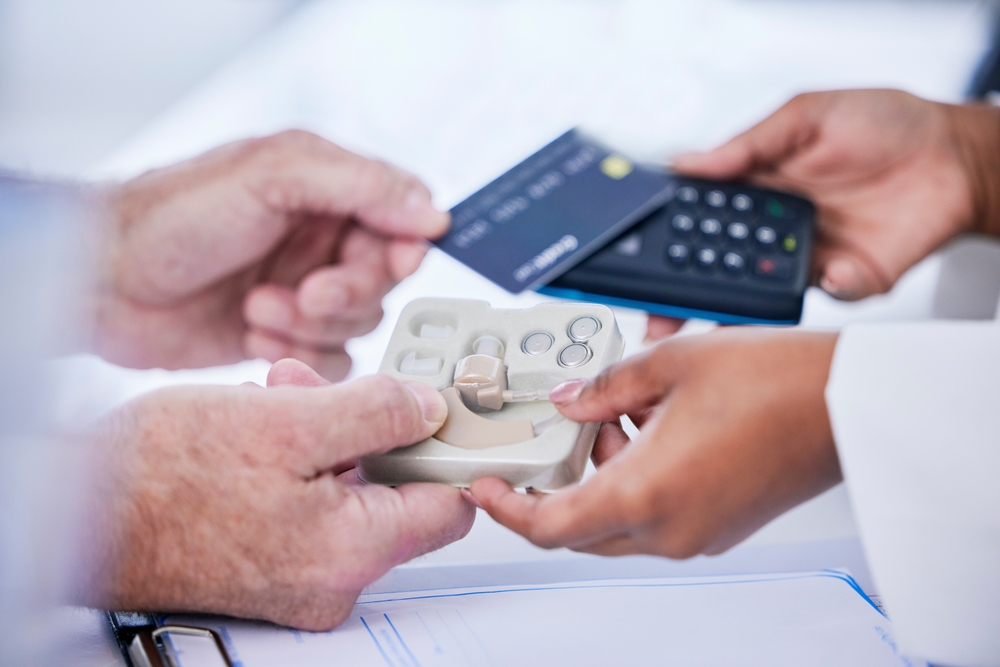
Patients researching therapeutic sound amplification often find that the initial acquisition expense stands out immediately. The total investment fluctuates significantly based on the specific acoustic gain features and the level of personalized audiology care included. For many patients, this sudden realization can cause hesitation and create an artificial barrier to necessary intervention.
Although the retail price is substantial, alternative funding mechanisms change the clinical landscape. It is a common misconception that the full list price must be borne entirely by the consumer. By leveraging private insurance benefits, tax-advantaged health funds, and structural payment programs, the net cost can be minimized.
This clinical brief outlines primary procurement strategies to educate you prior to your diagnostic evaluation, ensuring a confident approach to auditory rehabilitation.
Maximizing Private and Employer Insurance Benefits for Acoustic Devices
Before expecting to finance the entire purchase independently, verify your existing medical coverage parameters.
For individuals holding commercial or corporate group health policies, benefit structures for otologic devices are highly inconsistent. Selected guidelines cover a predefined percentage of the hardware, while others issue a flat-rate allowance. Conversely, distinct health plans explicitly exclude hearing aids from their covered medical benefits. To verify your specific criteria, contact your insurer’s benefit coordinator to investigate your direct coverage rules. Ensure you document any maximum limits, whether diagnostic programming sessions are bundled, and which audiology practices hold in-network status.
When navigating public health options, recognize that traditional federal Medicare components do not subsidize these devices. Fortunately, choice Medicare Part C programs fill this gap by providing an annual allowance or discounted device network.
For patients utilizing state-administered Medicaid, the availability of auditory benefits is determined strictly by state law. Some programs provide hearing aid benefits for qualifying adults, so it’s worth checking or asking your provider for guidance.
Tax-Advantaged Financing: Utilizing HSA and FSA Funds for Hearing Care
Possessing an HSA or an FSA equips the patient with a highly efficient asset for absorbing device costs.
Hearing aids are a qualified medical expense, which means you can use pre-tax dollars to cover the cost. That alone can make a big difference. By way of example, a 22% marginal tax rate converts a nominal $2,000 device cost into an effective $1,560 expense. It is vital to distinguish between persistent HSA balances and time-delimited FSA funds that vanish at year-end. This structural timeline makes it imperative to exhaust expiring corporate flex funds before the termination date! Because both prescription and select over-the-counter options meet the criteria, assessing your available balance is an excellent pre-appointment step.
Utilizing Patient Financing Programs to Defer Auditory Technology Costs
Most established audiology centers provide entry points to dedicated consumer medical credit lines, eliminating the need for total upfront liquidation. Managed through medical financing leaders like CareCredit, these structures frequently supply zero-interest terms to qualified applicants. That means you don’t have to choose a lower-quality device just to keep costs down in the short term.
Integrating payment plans into your treatment discussion is a routine and professional practice. If budgetary constraints are a factor in your decision-making, ensure you communicate this to your provider. It is important to remember that these specialized lending mechanisms were engineered specifically for these scenarios! Ultimately, accessing essential medical technology to preserve communication should remain accessible without risking economic duress.
Maximizing VA Healthcare Services for Service-Connected Hearing Deficits
Because acoustic injury is statistically ubiquitous among military personnel, the VA provides extensive audiology benefit frameworks.
Eligible veterans can receive hearing aids at no cost through VA healthcare. Even if your documentation lacks an explicit acoustic connection, your broader VA medical tier might authorize these devices. For those who have yet to leverage their military benefits, initiating a query with your regional VA medical center is strongly advised.
Charitable and Community Programs May Cut Hearing Aid Costs
A variety of secular charities and regional foundations are dedicated to subsidizing the cost of necessary amplification. National and global entities such as the Starkey Hearing Foundation and Lions Club International provide hardware grants to eligible candidates. Furthermore, a number of municipal and state agencies sponsor dedicated initiatives for economically disadvantaged adults.
Although these civic grants frequently carry rigid income thresholds and waiting intervals, they are highly valuable when commercial insurance fails. Most of these foundations provide digital portals to screen your eligibility or initiate the formal intake procedure.
Analyzing Over-the-Counter (OTC) Hearing Options Versus Prescription Systems
The OTC retail segment offers a highly economical alternative, with average pair pricing falling between several hundred and one thousand dollars. This retail equipment is specifically engineered to address uncomplicated, mild-to-moderate sensory changes in mature populations.
Nevertheless, in the absence of precise real-ear verification and professional programming, realized clinical benefit often falls short of expectations. In cases of advanced sensory impairment, prescription hardware calibrated to a precise audiogram is mandatory for successful rehabilitation.
Rather than purchasing an OTC model out of economic necessity, investing in a professional evaluation establishes your true baseline needs. Retail devices function adequately as a temporary placeholder while awaiting insurance pre-authorization or institutional grant approvals. While superior to untreated deficits, these entry-level systems are rarely sustainable long-term answers for progressive presbycusis.
Partnering with Our Clinic to Navigate Auditory Technology Financing
Our administrative staff is deeply experienced in aligning technological needs with realistic financial solutions for our community. There are often more options than people expect.
By providing your current insurance documentation at check-in, our specialists can cross-reference your network benefits and construct a tailored payment solution. Reach out to our administrative staff now to reserve your diagnostic evaluation and begin your hearing assessment. Our practice is committed to identifying an optimization path that respects your budget while restoring your quality of life.
The content of this blog is the intellectual property of MedPB.com and is reprinted here with permission.
The site information is for educational and informational purposes only and does not constitute medical advice. To receive a personalized free hearing test and hearing loss consultation, call today to set up an appointment.