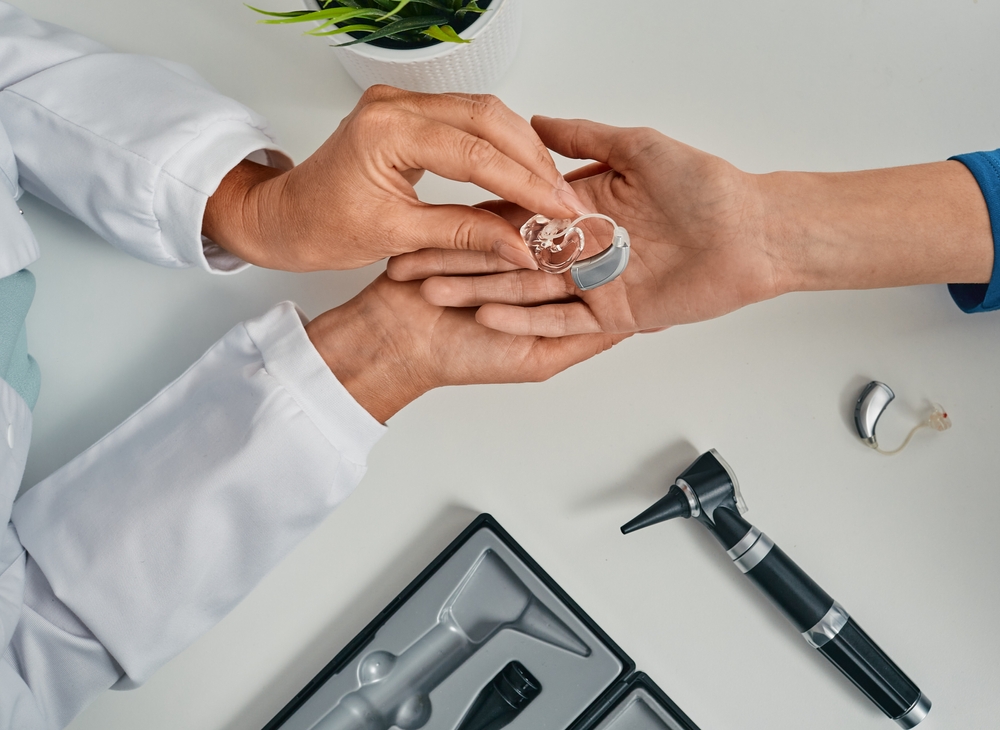
Hearing aids are vital for enhancing daily communication by improving the clarity of sound. To keep them functioning at their best, routine maintenance and professional cleanings are crucial. As an outcome of prolonged use, an accumulation of earwax, moisture, and other particles can occur, causing functionality to decline. Knowing when it is time to schedule professional maintenance can help extend the life of your hearing aids and ensure they continue to operate at their best.
Why it’s important to have your hearing aids professionally cleaned
Even with regular at-home care, hearing aids progressively collect accumulation that might affect sound quality and performance. Routine servicing provides numerous advantages:
- Thorough Sanitizing– Effectively eliminates obstinate earwax, dust, and moisture that routine cleaning methods often miss.
- Enhanced efficiency – Gets rid of blockages that might result in muted audio or distortion.
- Increased Longevity – Helps to avoid premature deterioration, thereby reducing the need for repairs or replacements.
Routine professional cleanings keep your hearing aids functioning effectively, decreasing the chance of unexpected malfunctions.
Signs your hearing aids need professional servicing
If you’re not sure whether it’s time for an expert cleaning, look for these typical warning signs:
- Unclear or Jumbled Audio: If voices and background sounds seem faint, muffled, or altered, the problem might be caused by obstructions, such as earwax or debris, obstructing the device’s microphone or speaker.
- Relentless Whistling or Feedback: A high-pitched screeching sound (feedback) can signify wax buildup or an improper fit. Professional cleaning can assist in clearing obstructions and adjusting the fit accurately.
- Troubleshooting Volume Problems: When volume changes fail to yield the anticipated result, it might be necessary to perform maintenance on internal parts or recalibrate the system’s software configurations.
- High humidity can impact the device’s internal components, resulting in sporadic audio disruptions or unreliable button control. A skilled expert can assess and resolve issues caused by moisture or water damage.
- If you observe a noticeable increase of earwax or dirt on your hearing aids, it is recommended to have them professionally cleaned for a more thorough elimination compared to cleaning them at home.
- Use precision tools to eliminate wax, dirt, and moisture without damaging delicate parts.
- Inspect and service components to confirm all elements are functioning correctly.
- Inspect both software and hardware to pinpoint any performance problems that might be affecting the quality of sound.
- Switch out worn-out filters or tubing that may be impede device performance.
- Standard maintenance should be conducted every 3 to 6 months.
- More regular cleanings are advised for people prone to excessive earwax accumulation or those living in humid environments.
- As soon as issues arise, addressing minor issues early can avoid costly repairs.
What does a professional hearing aid cleaning look like?
A professional cleaning visit goes beyond standard upkeep and ensures your devices function efficiently. During the appointment, specialists will:
What is the suggested time frame for setting up professional maintenance?
The frequency of professional cleanings relies on factors including earwax production, humidity levels, and usage habits. General recommendations include:
Keep your hearing aids in great condition
To keep your hearing aids functioning optimally and providing crisp, clear audio, it’s essential to schedule regular check-ups and maintenance with a hearing care professional.
If distorted sound, echoing, or technical issues are disrupting your experience, it’s likely that a thorough, expert cleaning is in order.
Schedule your hearing aid cleaning and maintenance today.
The content of this blog is the intellectual property of MedPB.com and is reprinted here with permission.
The site information is for educational and informational purposes only and does not constitute medical advice. To receive a personalized free hearing test and hearing loss consultation, call today to set up an appointment.