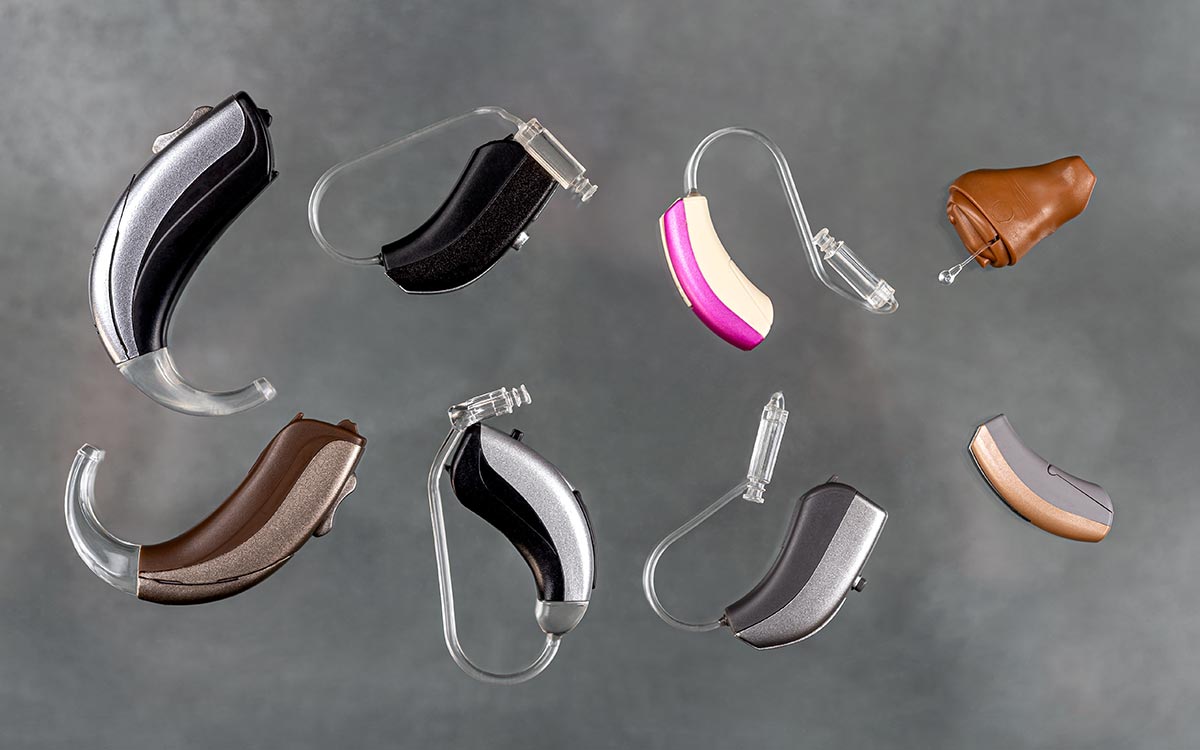
Choosing the right hearing aid can be an arduous task, given the vast array of styles, sizes, and technological features available in modern devices. But no matter your needs, there’s a hearing solution for every lifestyle, preference, and degree of hearing loss. The key is merely choosing the one that fits you best.
By learning about the distinctions between various hearing aid models, you can move forward with greater confidence and knowledge. This guide examines the most common styles and highlights the specific advantages each one offers.
The ITC (In-the-Canal) Style Explained
The Meaning:
A custom device is designed to sit partially within the ear canal while showing just a small section in the outer ear area.
Common Benefits:
- Offers a smaller profile than bulkier behind-the-ear units
- Individualized shaping ensures long-term wearing comfort
- Appropriate for mild to medium hearing loss
First-time wearers frequently lean toward ITC aids because they strike a perfect compromise between size and performance.
IIC (Invisible-in-Canal) Engineering
Core Characteristics:
As the most compact custom option, IIC aids represent the smallest available style. This style fits deep in the ear for a completely covert appearance.
Why people pick them:
- The best choice for patients prioritizing appearance
- Natural sound quality due to mic placement
- An ultra-light build renders them easy to wear all day
Because of their tiny size, IIC devices typically work best for mild to moderate hearing loss and for those who prefer an almost invisible option.
Understanding In-the-Ear (ITE) Units
The Basics:
ITE hearing aids fill either the entire outer ear (full-shell) or the lower portion (half-shell). They are custom-made to match the shape of your ear.
Value Proposition:
- The bigger size makes it feasible to include more internal components and longer-lasting batteries
- Provides a more manageable process for those who struggle with tiny accessories
- Capable of providing enough power for extreme hearing needs while remaining in-the-ear
The all-in-one nature of the ITE style makes it an ideal choice for those who dislike behind-the-ear equipment.
BTE (Behind-the-Ear) Basics
Technical Detail:
These devices sit on the external ridge of the ear’s anatomy. These models use an individualized earmold or tubing to funnel sound inside.
Reasons for Choosing:
- Offers an enduring and flexible solution for various environments
- Provides a wide selection of amplification suitable for nearly any user
- Large enough to house sophisticated software and modern rechargeable technology
If you require a robust hearing aid that is easy to operate and offers high-power output, the BTE style is ideal.
The RIC Style Analysis
Design Specs:
In a modern model, the speaker is separated from the main housing and placed inside the canal via an ultra-fine wire.
Why they are popular:
- Provides an exceptionally clear and lifelike listening experience
- The ultra-thin design is equally light and nearly effortless to wear
- An adaptable choice that works for various degrees of auditory needs
RIC units are extremely popular currently because they balance appearance with powerful functionality.
Extended-Wear Hearing Aids
Usage Profile:
These unique devices are designed to live in the ear canal for an extended period or more, managed by your hearing specialist.
User Motivations:
- Eliminates the requirement to put in or take out the device every day
- Sitting low in the ear makes them completely hidden from view
- Built to withstand the stresses of sleep, exercise, and showering without being removed
These models are the best option for an effortless, seamless hearing experience.
Smart Hearing Aids with Wireless
Operation:
Auditory aids with wireless connectivity that sync with smartphones, tablets, computers, and sometimes TVs.
Digital Advantages:
- Send calls, music, and audio straight to the hearing aids
- Allows for quick, subtle adjustments to your hearing aids through digital software
- Enhances everyday life by making technology interaction seamless and clear
Most contemporary RIC, BTE, and ITC hearing aids currently offer an advanced version.
Alternative Surgical Options
Technical Definition:
Middle-ear implants are specialized instruments that use mechanical vibration to enhance hearing via the middle ear.
Who they are for:
- A viable route for patients who are unable to wear standard acoustic devices
- Great for users who suffer persistent irritation from standard molds
Candidates for middle-ear implants should undergo a comprehensive evaluation by an expert specialist.
Selecting Your Ideal Hearing Option
There is no one single “ideal” hearing aid; rather, there is an optimal one for you, determined by your medical needs and personal comfort. A hearing professional is your best resource for evaluating these options and finding an ideal choice for your daily routine.
Begin your journey to better sound by setting up an auditory test now. It is the most significant move you can make toward a more vibrant and confident life.
Sources:
https://www.mayoclinic.org/diseases-conditions/hearing-loss/in-depth/hearing-aids/art-
20044116
https://www.hearinglife.com/hearing-aids/types
https://www.nidcd.nih.gov/health/hearing-aids
The content of this blog is the intellectual property of MedPB.com and is reprinted here with permission.
The site information is for educational and informational purposes only and does not constitute medical advice. To receive a personalized free hearing test and hearing loss consultation, call today to set up an appointment.