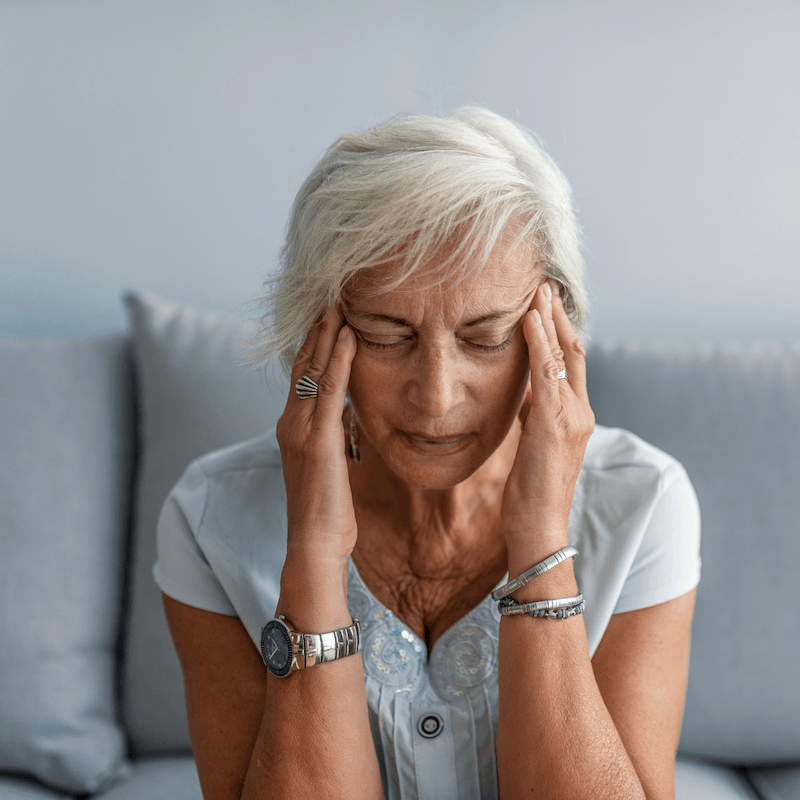
Classic head pain is not present in every migraine variant; specifically, a vestibular migraine disrupts vestibular balance, motion tolerance, and spatial navigation. We provide specialized assessments for recurring vertigo to determine if a vestibular migraine or a competing vestibular disorder is responsible. To achieve successful migraine treatment, patients must understand their symptom patterns and report them accurately to their medical provider.
Understanding the Clinical Differences Between Vestibular and Regular Migraines
While vestibular migraine and conventional migraine share an underlying neurovascular origin, their predominant clinical presentations diverge. The hallmark of a typical migraine is moderate to severe unilateral throbbing head pain that intensifies during ordinary physical activities. Concurrent symptoms routinely include autonomic nausea, photophobia, phonophobia, and transient focal neurological aura.
Vestibular migraine characteristically triggers episodes of spinning vertigo, persistent dizziness, unsteadiness, and motion intolerance. Headache may occur, but it is not required during every vestibular episode. Flare-ups can feature an illusory sensation of internal or environmental spinning, head-movement-induced dizziness, and visual vertigo in crowded spaces.
Qualifying vestibular episodes generally last from five minutes to 72 hours. Symptoms often vary in nature and intensity between separate attacks, obscuring the relationship to migraine compared to straightforward headaches.
What Factors Cause Vestibular Migraine Episodes?
There is no single medical pathology identified as the isolated cause of vestibular migraine. The clinical phenomenon involves shared brainstem and cortical pathways that process migraine pain alongside balance inputs. A familial or personal history of classic migraine, alongside persistent motion sickness, frequently predisposes patients to vestibular migraine.
Documented physiological triggers include:
- Irregular or insufficient sleep
- Missed meals, fluctuating blood glucose, or systemic dehydration
- Mental or physical stress, as well as rapid decompression after stressful events
- Estrogen shifts associated with menstruation, pregnancy, or hormone therapies
- Harsh glare, strobe lighting, or visually overwhelming public spaces
- Extended vehicle travel, dynamic physical movement, or fast smartphone screen scrolling
- Alcohol intake, fermented foods, cured meats, or idiosyncratic dietary sensitivities
- Significant changes in barometric weather pressure or acute environmental overstimulation
Symptomatic Comparison Between Vestibular and Standard Migraines
Typical migraine attacks are often recognized by headache, but migraine symptoms extend beyond pain. Associated symptoms can include gastrointestinal distress, vomiting, visual aura, systemic exhaustion, brain fog, neck pain, and hyperacusis or photophobia.
Patients with vestibular migraine frequently report:
- Illusory rotational spinning or non-spinning disequilibrium
- Marked balance deficits, physical clumsiness, or postural instability
- Dizziness triggered or aggravated by rapid head turns or tilting
- Motion-induced nausea, motion intolerance, and gastrointestinal upset
- Sensory intolerance triggered by scrolling monitors, bustling public crowds, oncoming traffic, or geometric lines
- Dysperceptions of motion such as internal rocking, floor tilting, floating, or gravitational pulling
- Exaggerated sensitivity to ambient lighting, loud acoustic stimuli, or visual clutter
- Dull cranial pressure, tight band-like sensations, or pulsating migraine headache
- Transient aural fullness, ear pressure, or acute tinnitus
Analyzing episode frequency, duration, and precipitating factors helps differentiate vestibular migraine from competing inner ear pathologies. Newly developing dizziness linked to facial numbness, extremity weakness, speech impairment, double vision, syncope, or an inability to walk demands immediate emergency attention.
Overlapping Attacks: When Vestibular and Regular Migraines Coincide
Absolutely. Vestibular vertigo and migraine head pain can occur simultaneously within a single clinical flare-up. Vestibular symptoms may precede the headache as an aura, emerge during peak cephalalgia, linger after the pain resolves, or occur during entirely isolated episodes. It is common for individuals to alternate between attacks centered on severe headaches and episodes dominated by vestibular imbalance over several years.
A balance-related flare-up does not need to incorporate a headache to stem from underlying migraine pathophysiology. Keeping a comprehensive symptom log allows you and your physician to identify clinical connections that are hard to recall later. Log the duration of balance loss, headache features, sensory symptoms, menstrual cycles, sleep schedules, food intake, suspected triggers, and medication effectiveness. This information can make an evaluation more precise.
Establishing a Vestibular Migraine Diagnosis: Testing and Criteria
Clinicians cannot rely on a single laboratory marker, radiological scan, or balance study to confirm vestibular migraine. Clinical assessment begins with a meticulous clinical history exploring episode traits and personal migraine patterns with or without aura. International diagnostic criteria standardly require at least five moderate or severe vestibular episodes lasting between five minutes and 72 hours, with classic migraine symptoms during at least 50% of attacks.
We conduct extensive examinations encompassing cranial nerve screening, videonystagmography eye-movement analysis, otoscopic checks, hearing tests, and balance metrics. Tailored to your specific profile, diagnostics might feature a pure-tone audiogram, canal positional tests, computerized vestibular batteries, or cranial MRI scans. These objective studies serve to detect or systematically exclude competing disorders that provoke identical dizzy spells. A definitive diagnosis of vestibular migraine is rendered only when your clinical pattern fits established criteria and another diagnosis is definitively excluded.
Clinical Management and Treatment Options for Vestibular Migraines
Treatment is individualized according to attack frequency, severity, associated headache, other health conditions, and medication risks. Most individuals find the greatest relief through an integrated regimen combining daily preventive protocols with an acute rescue plan.
We partner with you to construct a targeted management plan that may involve:
- A regular sleep, meal, hydration, and exercise schedule
- Systematically tracking, identifying, and reducing exposure to personal migraine triggers
- Stress-management or behavioral strategies
- Administering prescription antiemetics or targeted acute symptom medications
- Restricting vestibular suppressants strictly to short-term management during severe vertigo flares
- Prophylactic regimens involving beta-blockers, calcium channel blockers, topiramate, tricyclic antidepressants, or CGRP inhibitors
- Targeted vestibular physical therapy to retrain the central balance system and reduce chronic motion sensitivity
These medications are reserved for acute use only, as chronic ingestion triggers drowsiness and suppresses natural vestibular compensation within the brain. Medication choices should be made with us rather than borrowed from another person’s migraine plan. Clinical stabilization often involves gradual pharmacological adjustments alongside diligent, long-term symptom logging.
Arrange an Otolaryngology Balance Assessment
If recurring vertigo, motion sensitivity, or imbalance is disrupting daily life, schedule an evaluation with us. We begin your evaluation with a detailed review of migraine patterns, systemic health, and recovery targets, conducting specialized tests to distinguish vestibular migraine from BPPV, Ménière’s disease, and related vestibular issues. Get in touch with our ENT clinic now to request your vestibular migraine appointment.
The content of this blog is the intellectual property of MedPB.com and is reprinted here with permission.
The site information is for educational and informational purposes only and does not constitute medical advice. To receive a personalized free hearing test and hearing loss consultation, call today to set up an appointment.