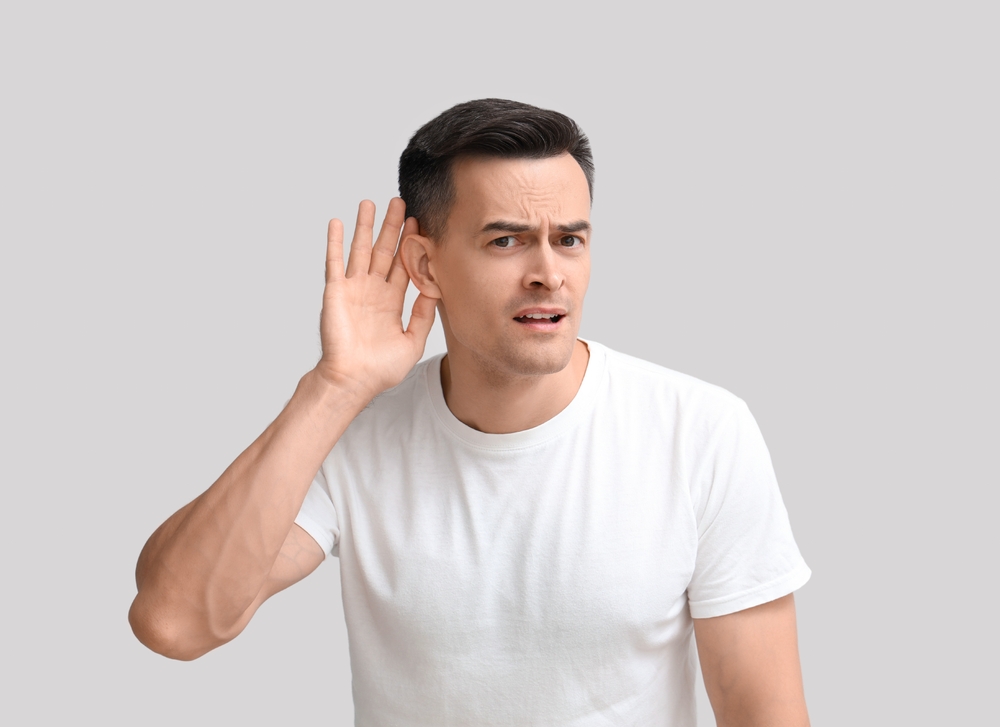
Have you ever felt totally drained after a long conversation or social gathering?
You might initially blame your exhaustion on general tiredness or a busy lifestyle. Certainly, for those with introverted tendencies or sensory processing sensitivities, social engagement is naturally taxing. In many instances, this persistent drain is the result of a condition called auditory fatigue.
Auditory fatigue happens when your brain has to work harder to process sound. When hearing is not as clear as it should be, the brain often tries to fill in missing pieces of speech and interpret unclear sounds, which takes significant mental effort. Sustained periods of this “effortful listening” eventually lead to total cognitive depletion.
Most individuals fail to distinguish between localized auditory fatigue and general fatigue. In many cases, persistent fatigue serves as a diagnostic “red flag” for early-onset hearing impairment. A professional diagnostic evaluation is necessary to confirm if hearing loss is the root cause of your exhaustion. Should these symptoms persist, it is vital to discuss the possibility of hearing loss with a healthcare professional.
The Physiological Triggers of Auditory Fatigue
The risk of developing auditory fatigue is increased by several physiological and environmental factors.
Untreated Hearing Loss
Failing to address hearing loss is a major factor in the development of persistent auditory fatigue.
If the peripheral auditory system fails to deliver clear data, the brain must use context clues to guess the missing information. This perpetual state of “phonemic guessing” elevates cognitive load and triggers rapid burnout during dialogue.
How Background Noise Triggers Fatigue
Busy environments can worsen auditory fatigue. Restaurants, meetings, family gatherings, and social events often include background noise competing with speech.
The presence of competing sounds forces the brain’s “noise-cancellation” filters to work at maximum capacity. This process can create cognitive overload, especially for people with hearing loss (even mild cases).
Tinnitus and Sound Distortion
Tinnitus, often described as ringing or buzzing in the ears, can also contribute to listening fatigue because the brain must process external sounds and internal noise signals simultaneously.
A distorted acoustic signal acts as a “broken link,” requiring the brain to expend extra energy to fix the data in real-time.
Common Signs of Auditory Fatigue
Symptoms of auditory fatigue typically bridge the gap between mental clarity and physical stamina. Typical red flags for this condition include:
- Experience of deep cognitive depletion following verbal interaction
- Struggles with cognitive focus during collaborative sessions
- Development of “listening headaches” after long social events
- Irritability or frustration in social settings
- A tendency to “tune out” or physically leave social gatherings
- Compulsive need for rest after navigating a noisy environment
Recurring instances of these symptoms suggest that your auditory processing system is operating at an inefficient level.
The Cognitive Cost of Auditory Decline
Under optimal conditions, the auditory cortex decodes language with minimal neural expenditure. When input is weak, the brain must “steal” processing power from other areas to manage auditory interpretation.
This state of over-exertion is technically referred to as an elevated cognitive load. This energy shift often leaves the patient struggling with recall and attention while they try to listen. This continuous drain on the brain’s “battery” leads to chronic daily exhaustion. Even short conversations may require more concentration than they should.
Diagnosing the Source of Your Fatigue
A formal auditory screening is the most effective way to determine why you feel so drained. During a comprehensive hearing test, an audiologist will measure how well you hear different tones and speech sounds. An audiologist may simulate real-world noise to see how your brain manages complex auditory environments.
A professional assessment confirms the link between your ears and your exhaustion, enabling targeted care. Early diagnosis facilitates prompt intervention, preventing the onset of chronic cognitive load issues.
The Benefits of Audiological Rehabilitation
Treating hearing loss can significantly minimize listening fatigue.
Advanced hearing aids utilize AI to sharpen speech signals while simultaneously suppressing irrelevant environmental noise. The brain can finally rest, receiving data that is easy to interpret and understand.
When listening becomes easier, many people notice improvements in:
- Sustained cognitive stamina during the workday
- Increased attention span during long discussions
- Feeling relaxed and confident in noisy environments
With less strain on the brain, everyday interactions can feel more natural again.
Is it Time for a Professional Hearing Check?
It may be time to schedule a hearing evaluation if:
- Dialogue leaves you feeling cognitively spent
- Loved ones notice that you frequently require clarification during talk
- You find yourself “guessing” at words in loud settings
- Social withdrawal is becoming your default response to difficult acoustics
Addressing hearing concerns early can help reduce listening strain and improve overall quality of life.
FAQs About Auditory Fatigue
Auditory Fatigue vs. Hearing Loss: What’s the Difference?
Actually, no; auditory fatigue is the cognitive result of the strain, not the physical impairment itself. Most people experience auditory fatigue as a direct consequence of their hearing loss.
Will Hearing Devices Fix My Burnout?
Yes. By improving sound clarity and reducing background noise, hearing aids can significantly decrease the mental effort required to understand speech.
Is auditory fatigue permanent?
Most patients find that their energy returns once the listening “gap” is closed with technology.
End Your Struggle with Auditory Fatigue Today
You shouldn’t feel exhausted after everyday conversations. If you are suffering from chronic post-social burnout, your auditory system is likely over-exerting itself.
Schedule your hearing test today by contacting us today. The path to social confidence and mental clarity begins with accurate hearing data.
The content of this blog is the intellectual property of MedPB.com and is reprinted here with permission.
The site information is for educational and informational purposes only and does not constitute medical advice. To receive a personalized free hearing test and hearing loss consultation, call today to set up an appointment.