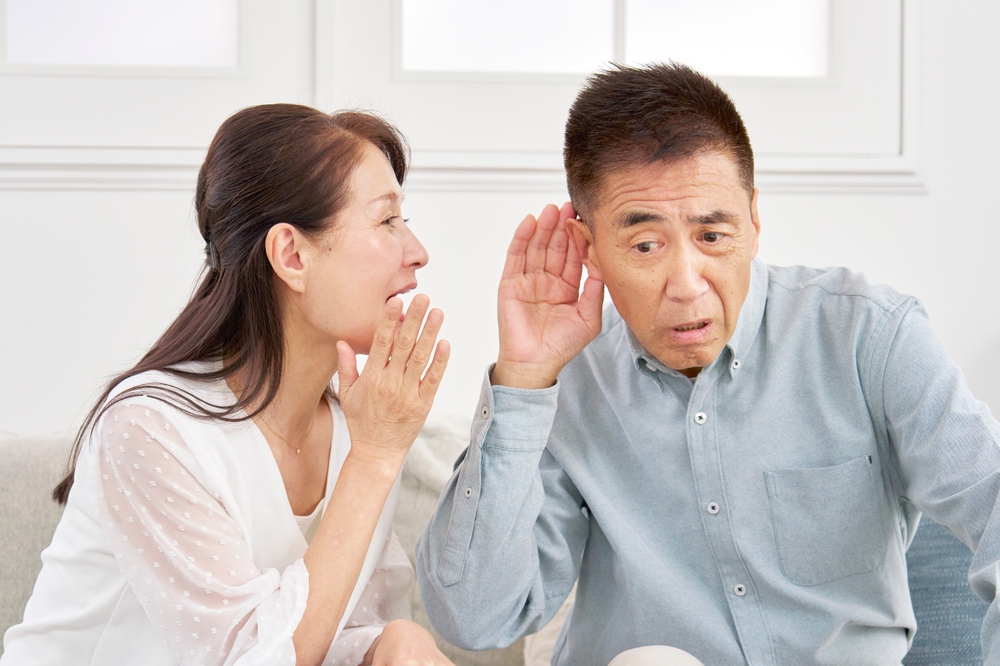
While auditory decline is statistically prevalent, pervasive misconceptions often deter individuals from pursuing clinical intervention. And with hearing loss, getting the right care at the right time is critical. Subscribing to auditory misinformation can hinder treatment timelines and compromise social connectivity.
Distinguishing audiological reality from fiction empowers patients to make data-driven healthcare choices. Let’s take a closer look at seven hearing loss myths that deserve to be clarified, along with the truths that put them in their place.
Myth One: Auditory Decline is Strictly Age-Related
Although aging affects the ears, hearing loss is not exclusive to the elderly population. Hearing impairment in younger patients is frequently caused by environmental noise, genetic predisposition, or systemic illness.
The “aging myth” frequently prevents young and middle-aged adults from pursuing an essential hearing test.
Myth Two: Auditory Awareness Equals Perfect Hearing
Hearing loss doesn’t have to mean complete deafness. Individuals with moderate deficits may hear volume but lack the clarity required for word discrimination. A broad range of auditory dysfunctions exists between asymptomatic hearing and complete deafness.
Signs of decline often involve poor speech-in-noise recognition and significant mental strain after talking with others. These markers represent initial auditory shifts that warrant a professional evaluation.
Hearing Impairment: More Than a Social Nuisance
Untreated hearing loss can affect more than just communication. Clinical studies associate untreated impairment with isolation, elevated cortisol levels, and accelerated cognitive decline.
Managing your hearing health is a critical step in preserving your holistic quality of life.
Myth: Amplification Devices Accelerate Ear Damage
The assumption that amplification leads to “lazy ears” is contradicted by modern audiological science.
Properly programmed hearing aids pose zero risk of physical damage to the auditory system. They provide customized amplification that fills the exact deficits revealed during your professional assessment. Utilizing amplification prevents auditory deprivation, keeping the brain’s speech-processing centers active.
Myth Five: The Aesthetic Stigma Fallacy
Recent innovations in hearing science have prioritized both power and miniaturization. Modern hardware has reached a peak of efficiency, offering discrete aesthetics with high-fidelity sound. Numerous models—such as Invisible-in-the-Canal (IIC) devices—remain completely hidden during daily use.
Beyond their small profile, these devices feature AI-driven noise cancellation and seamless smartphone integration.
Why Even Mild Hearing Impairment Requires Attention
Even mild hearing loss can impact communication and daily life. Early treatment helps prevent listening fatigue and reduces the strain placed on the brain during conversations.
Maintaining communicative fluency is far easier when you address auditory shifts in their infancy.
Why OTC Devices Often Fall Short of Clinical Needs
Generic OTC amplifiers lack the sophisticated frequency shaping required for complex hearing loss profiles. A clinical hearing test allows an expert to program a solution specific to your biological requirements.
Individualized care ensures your device feels natural while providing crystal-clear sound quality.
Don’t Let Hearing Loss Myths Hold You Back
Any change in hearing can feel scary, which is why many people brush it off and delay seeking care. But believing common myths about hearing loss can make symptoms more challenging over time. Fortunately, a modern hearing test is a non-invasive, efficient process that yields vital health data.
If you’ve noticed changes in your hearing (even subtle ones), a professional assessment is an important first step. Prompt action protects your ability to engage with the world and maintains your mental well-being.
Our practice is dedicated to your auditory wellness; reach out to us for a comprehensive review. Contact our office today to schedule your personalized hearing consultation.
The content of this blog is the intellectual property of MedPB.com and is reprinted here with permission.
The site information is for educational and informational purposes only and does not constitute medical advice. To receive a personalized free hearing test and hearing loss consultation, call today to set up an appointment.